One week in La Paz, Honduras: a full itinerary with the nearby highlands
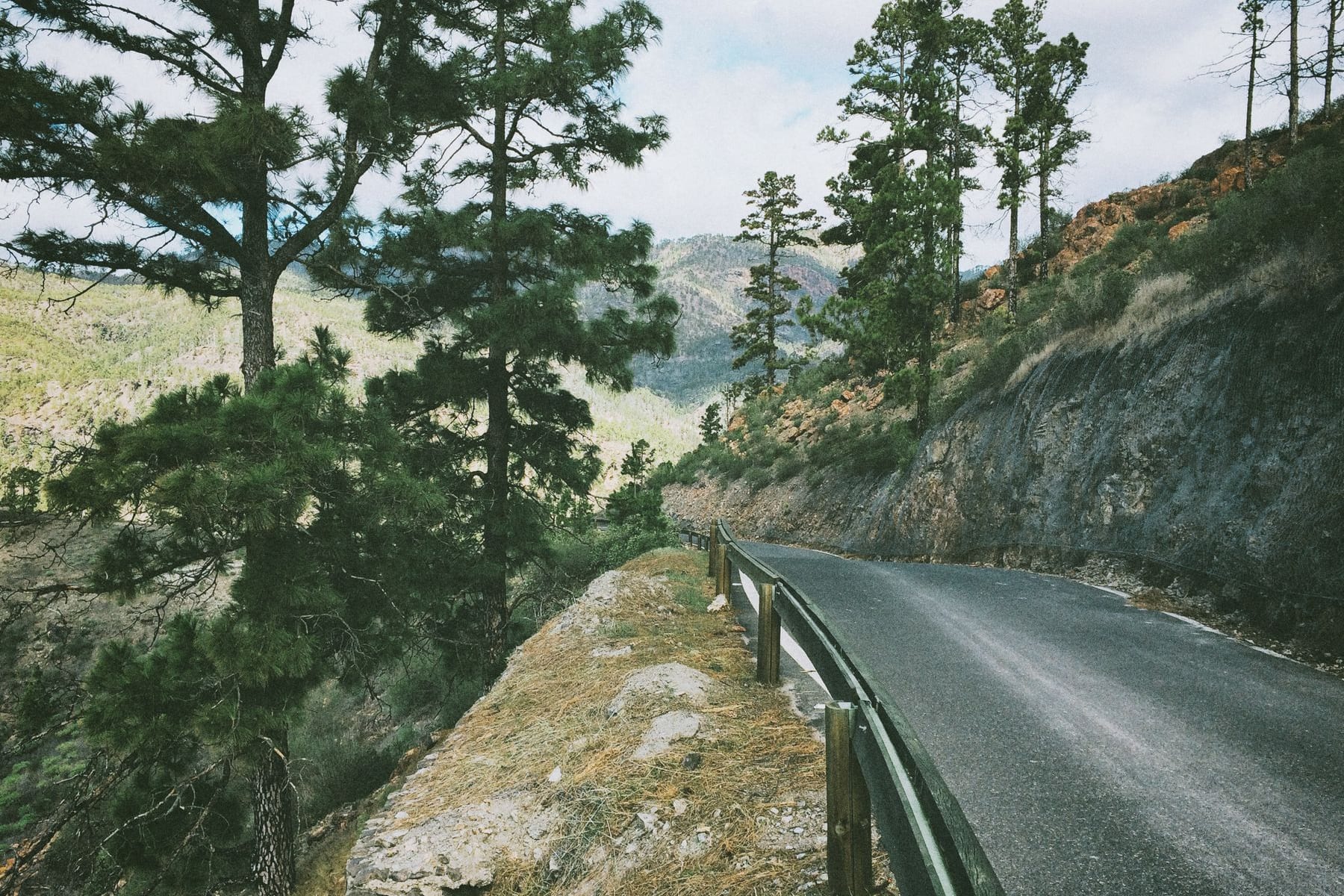 A winding pine-lined mountain road crossing the highlands of La Paz department, Honduras
Seven days across La Paz department: two nights in the capital, four in coffee-country Marcala, and a day in Comayagua, with the Lenca highlands and the waterfalls planned in.
How to split the week
A full week is the right length for this department, and the split that works is simple: two nights in La Paz Centro to handle arrival and the bank and the market, four nights in Marcala as the real base, and the seventh day running the Comayagua side before you leave. La Paz is not a place you bolt through between airports; it rewards staying in one town long enough to be there when the water runs, the pickup leaves and the market peaks.
Base yourself in Marcala. It sits at about 1,300 metres, it has the cafés, the banks and the ATMs, and every road into the genuinely interesting hill country — Cabañas, Santa Elena, Chinacla, Guajiquiro — either starts there or passes through. La Paz Centro gives you the cheap arrival bed near Palmerola and the last reliable pharmacies and cash machines before the mountains. Comayagua, fifteen kilometres from the capital, is the colonial day trip that La Paz itself does not provide.
Days 1 and 2: land, settle, and La Paz Centro
Fly into Palmerola International (about 30 kilometres and 25 to 35 minutes from La Paz Centro, a $25 to $35 taxi), or come in by bus from Tegucigalpa in about two hours. Either way the first job is cash: draw a week's worth from the banks beside Parque Central, because Marcala has ATMs but the smaller municipalities have none at all. Keep small notes; nothing in this department breaks a large bill happily.
Spend the rest of the first day at small scale. The municipal market runs at full strength between 5.30am and 9am and is finished by eleven, so if you arrive early enough, start there: coffee by the pound at about $3, cuajada wrapped in leaves, and a bowl of sopa de res for around $2.50. In the evening the whole town fills Parque Central between 5pm and 8pm, which costs nothing and is the best hour of the day for people-watching. Eat at the comedores around the park, a full plate for about $3.50.
On day two, do the valley before you climb into it. Walk up toward Barrio Arriba for twenty minutes and the whole Comayagua valley opens up — cane fields, the town of Cane below, aircraft lining up for Palmerola. The Parque Soberanía circuit is a cheap late-afternoon loop a few blocks from the park. This is also your moment to buy coffee before heading uphill: the roasters near Parque Central sell Marcala denomination-of-origin beans at $5 to $8 a pound, cheaper than Tegucigalpa.
Days 3 to 5: Marcala and the coffee country
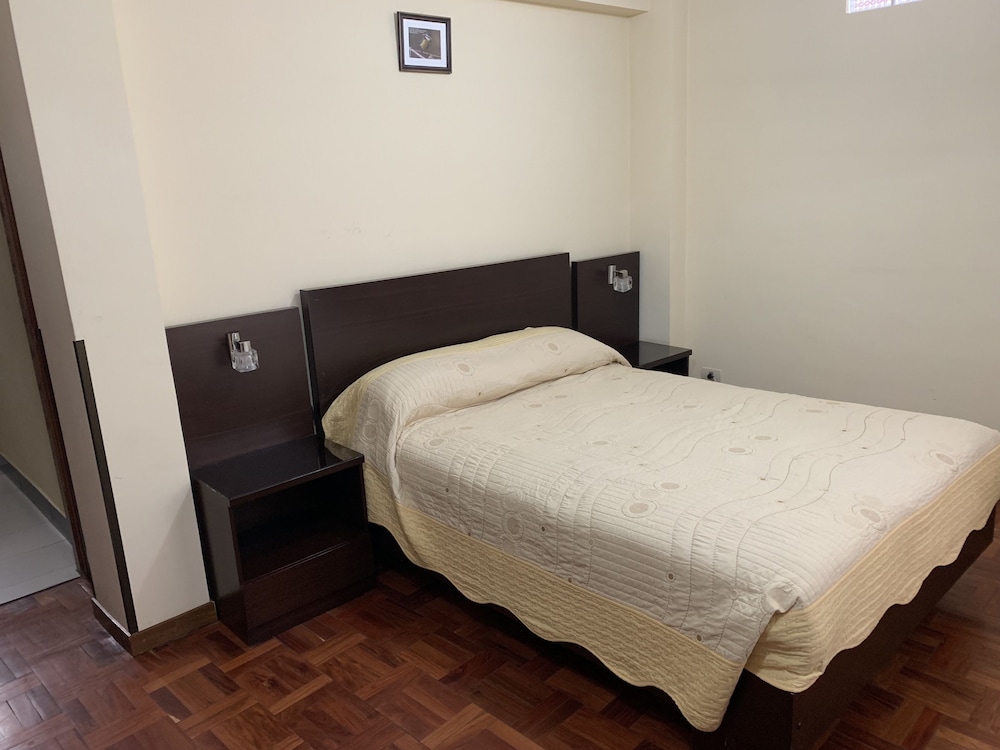
Take the morning bus or minibus from La Paz Centro up to Marcala, roughly two hours and about $4 via San Pedro de Tutule. Book a room within three or four blocks of the central park and Parque Perú, where a simple double with hot water runs $22 to $32. Check the blankets before you pay — nights drop to 10 to 14 degrees from December to February — and check the water schedule, because some streets have water only for set hours.
These three days are the coffee country proper. During harvest, roughly December to March, book a mill visit through the municipal tourism desk for $10 to $20 and start at 7am; outside harvest, walk the Chinacla road to the organic producers, or take the Saturday market to watch the whole highland supply chain arrive before dawn. The cafés around the park pour single-origin beans grown fifteen minutes away for $1.50 to $2.50. Set aside one full day for the waterfalls and the cave: Cueva del Gigante and the Estanzuela waterfall, guided, which is where the week earns its length rather than earning its petrol.
On one of these mornings, lose the town entirely. A pickup from Marcala runs to Cabañas in 30 to 60 minutes for $1.50 to $3, and the Nahuaterique highlands on the frontier side — pine ridge and small farm land confirmed to Honduras by the International Court of Justice in 1992 — are the most unvisited landscape in the department. Carry your passport near the border, do not photograph anything official, and be back on the early-afternoon return, because transport out of Cabañas moves in the morning only.
Day 6: the Lenca highlands, up above the cloud
The single most memorable day you can add is a run up to the Lenca highland towns, and Guajiquiro is the honest version. It sits around 1,900 metres, it is genuinely cold rather than cool, and there is no bank, no serious restaurant and no card payment anywhere. That is the point: you eat beans, eggs and cuajada at the plaza comedor for $3 to $4, you walk the communal pine forest above town where quetzals turn up in the wet season, and you sit through Sunday mass if the timing works, because the singing is the best thing in the municipality.
Leave from La Paz Centro or Marcala on a morning pickup for $3 to $5, arrive before three in the afternoon, and draw cash in town first. Ask for two blankets on arrival rather than at 11pm, because December nights drop to 6 to 9 degrees and rooms are unheated. Sleep in a small hospedaje at $12 to $25, and in the morning ride the dawn pickup to an outlying aldea — Cerro Grande or beyond — for a ridge road, cloud below you and a village that sees two outsiders a year. If Guajiquiro's handful of rooms is full after a fiesta weekend, fall back to Santa María or La Paz Centro rather than pressing on after dark.
Day 7: Comayagua, then out through Palmerola
Finish on the colonial city La Paz does not bother to be. Colectivos run from the highway junction below La Paz Centro to Comayagua every fifteen minutes, about 25 minutes and $1.50, and the Plaza Central holds the cathedral with the sixteenth-century Moorish clock and the colonial art museum next door. The museum closes for lunch and shuts by 4pm, so go in the morning, then eat on the plaza before the afternoon leans toward departure.
Comayagua is also your cleanest exit. It is on the CA-5 corridor, Palmerola is close, and the highway hotels toward the airport — $35 to $48 for a room with air conditioning, a hot shower and a gated forecourt — are built for exactly the 4am flight you may be catching, and solve the two problems the centre cannot: a secure vehicle and a departure without waking a family. Total lodging for a week lands around $200 to $250 while the Caribbean coast asks that for two or three nights, which is the honest reason this department suits a full week.
How to get the week right
Go early and carry small notes. The good hours are 6am to 9am, the markets, the pickups and the comedores all want cash, and almost nothing outside the two towns takes a card. Draw a week's worth at the banks in La Paz Centro or Marcala and keep it in small notes. Sleep in the town whose market you want to wake up in; the alternative is beginning every day on the road and losing the single best thing this department gives you.
Watch the seasons rather than the forecast. November to March is dry and clear and cold enough to need a fleece in the highlands; June to October turns the unpaved links slick and cancels pickups. February and March fill Marcala's better rooms with coffee buyers, so book those windows ahead. The rest of the year you can arrive at midday and choose from three or four places within a couple of blocks, inspect the room, test the shower, and confirm the gate is locked overnight.
Before you book
The questions people ask about La Paz, answered with this month’s numbers.
Yes, and it is about right. Two nights in La Paz Centro, four in Marcala and a day in Comayagua covers the capital, the coffee country, the Lenca highlands and the colonial exit without rushing. If you can only spare four days, drop Guajiquiro and make Marcala your single base; the whole department rewards staying put more than it rewards moving every morning.
Marcala, for almost everyone. It has the cafés, the banks, the ATMs and the road links into Cabañas, Santa Elena, Chinacla and Guajiquiro, and it is why visitors come to the department at all. La Paz Centro wins only on arrival logistics — being near Palmerola and the last reliable services before the mountains.
No, and for the highlands you often should not drive yourself. Buses, minibuses and pickups connect La Paz Centro, Marcala and the hill towns for $1.50 to $5, and the routes into the alpine aldeas are better left to a local driver who knows the tracks. A private pickup hired for the day runs $30 to $70. If you do drive, high clearance is strongly advised from May to November.
Roughly $200 to $250 for lodging, with doubles from $18 to $32 in La Paz Centro and $22 to $45 in Marcala, and $12 to $25 in the highland hospedajes. Food is $4 to $8 a day if you eat at comedores and market fondas, coffee $0.50 to $2.50 a cup, and transport a few dollars a leg. Cash for the whole stay in small notes, because only the larger hotels take cards.