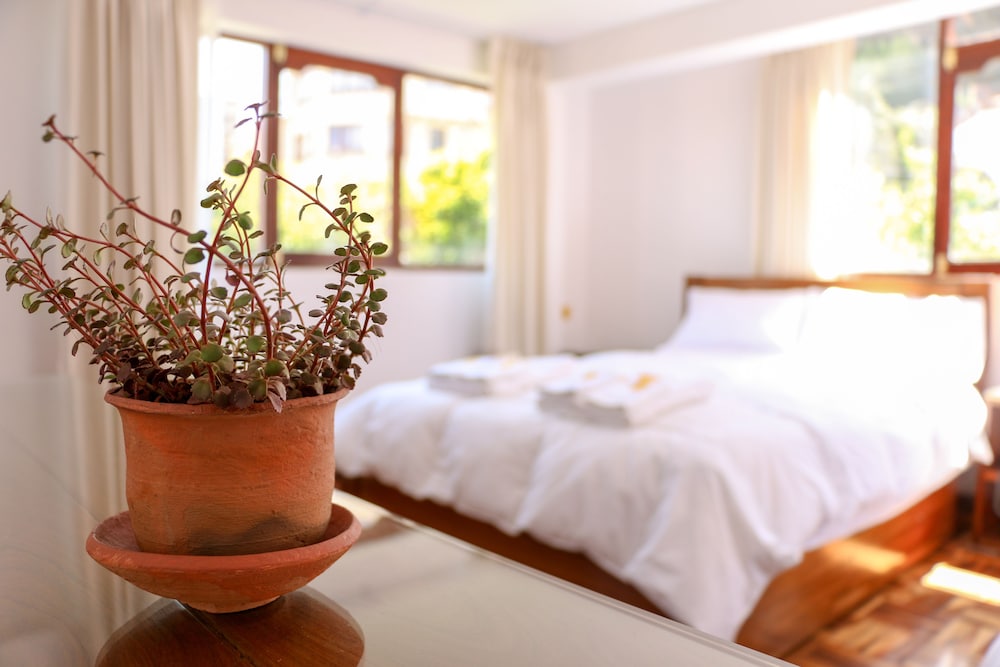
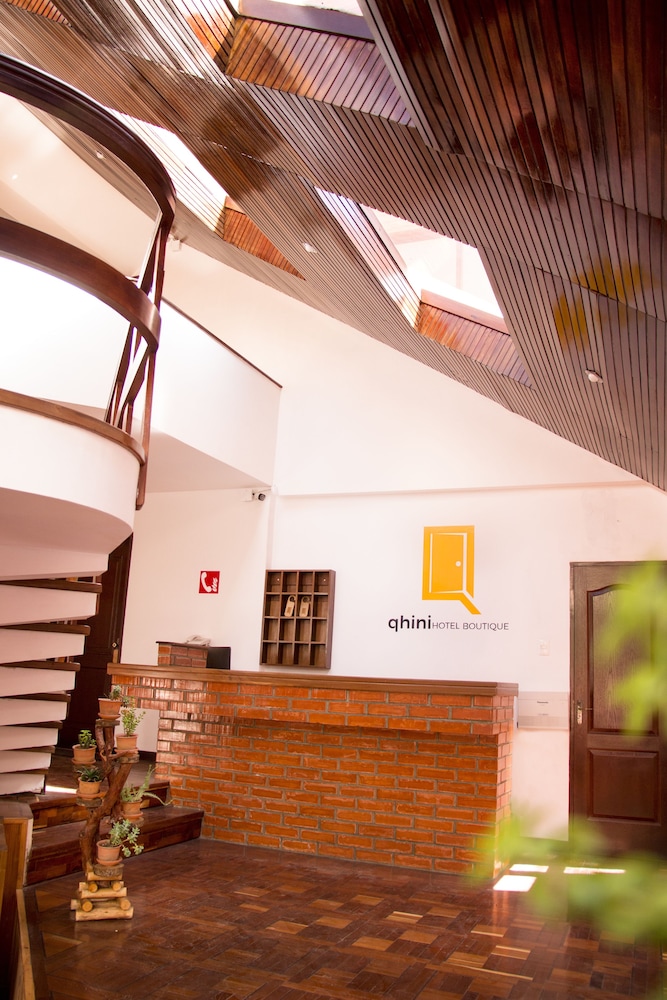
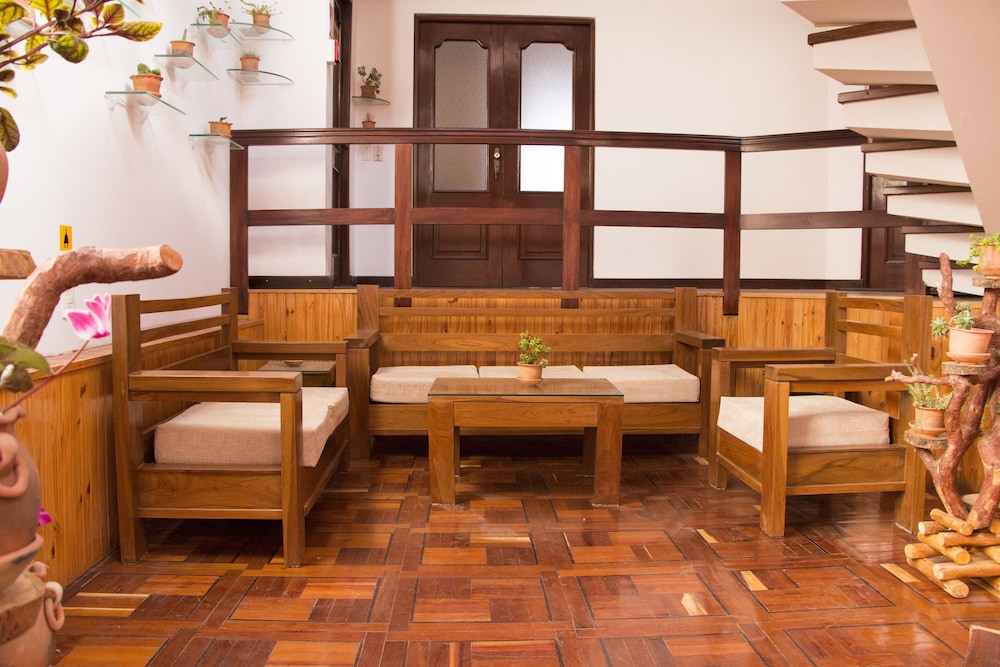
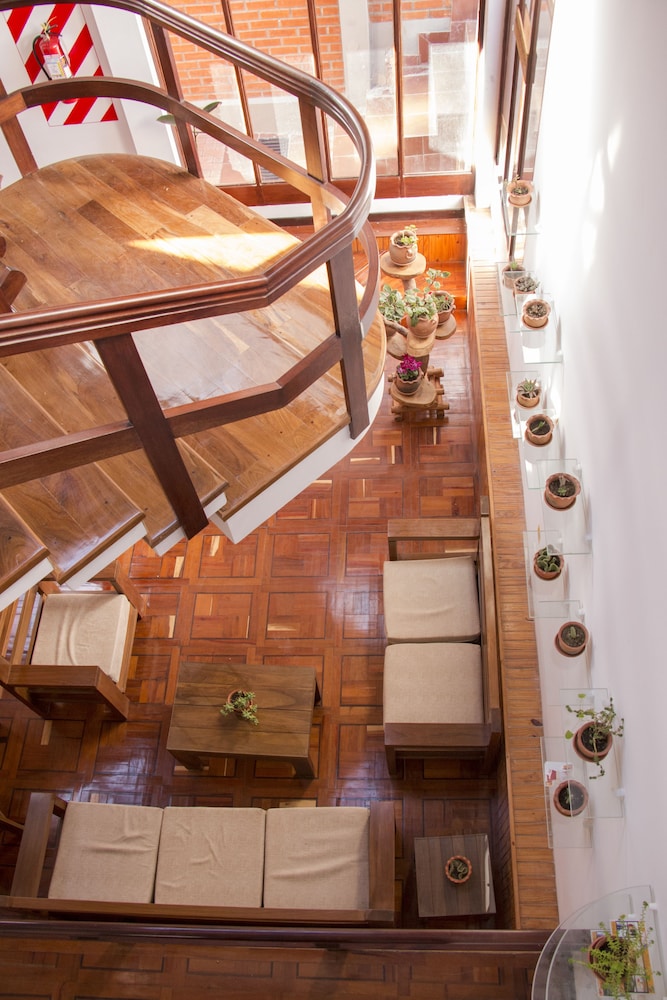
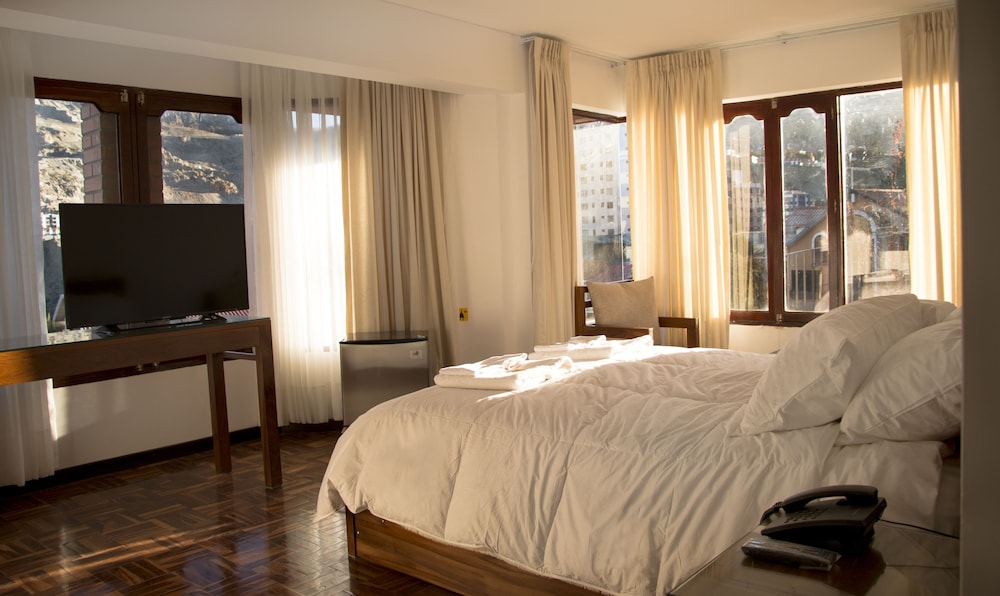
Qhini Hotel Boutique
Looking for a straightforward base in La Paz? Qhini Hotel Boutique in La Paz covers the essentials and sits near central La Paz.
From here, La Paz's main attractions — including central La Paz — are an easy walk or short ride away, so you spend less time in transit and more time exploring.
Rates shift with the season and with demand, so the live price on the booking page is always the one to trust — tap through for tonight's or your dates' real availability.
Key facts
Around La Paz



Best time to visit La Paz, month by month
The best time to visit La Paz is late November to March, when the dry season overlaps with the Marcala coffee harvest and the mountain roads to Guajiquiro and Yarula are passable in a normal car. December to February gives clear days and cold nights: expect 10–14°C after dark in Marcala at 1,300 m and colder still in Santa Elena and Yarula, while La Paz Centro in the valley stays warm. This is also when visiting buyers, cuppers and cooperative staff fill Marcala's small stock of rooms, so rates there sit $10–20 above the low-season floor and the better places go weeks ahead. March and April are the hottest and dustiest months, with valley afternoons around 32–34°C.
Semana Santa, which falls in late March or April, is the single biggest price event in the department — not for anything in La Paz itself, but because Comayagua's sawdust alfombras and processions 10 km away sell out that city's hotels and push visitors into La Paz Centro, where rates can rise 30–50% for four or five nights. The rains run May to October, usually as afternoon downpours rather than all-day weather, broken by the canícula dry spell from mid-July to mid-August. September and October are the wettest and the cheapest, with rooms in La Paz Centro from about $15 and unpaved approaches to Opatoro, Chinacla and Guajiquiro turning slippery. If you want green landscapes and low prices and can accept a 4x4 or a cancelled side trip, book August or September.
Getting around La Paz, and from the airport
From the airport, Palmerola International (XPL) at Comayagua is the nearest arrival point at roughly 20 km from La Paz Centro, about 25–30 minutes by taxi or pre-arranged pickup; Toncontín in Tegucigalpa is around 85 km away via the CA-5, or about 1 hour 30 minutes. There is no passenger rail anywhere in this part of Honduras, so it is car, bus or mototaxi. Direct buses run from Comayagüela in Tegucigalpa to Marcala in about 4 hours, and frequent colectivos shuttle the 10 km between La Paz Centro and Comayagua through the day. Within La Paz Centro and Marcala, mototaxis handle short hops for a dollar or two.
A car is genuinely useful here and close to essential if Cueva del Gigante, Cascada La Estanzuela or the Lenca highland villages are on your list. The La Paz Centro–Marcala run is about 80 km through San Pedro de Tutule and Santiago de Puringla and takes roughly 2 hours because of the climbs and curves, not the distance; Marcala to La Esperanza in Intibucá is a shorter 30 km, around 45 minutes. Roads up to Guajiquiro, Opatoro, Yarula and Chinacla are partly unpaved and want high clearance, especially between June and October. If you are not driving, base yourself in Marcala for two or three nights and hire a local driver by the day rather than trying to reach the reserves on rural buses that run once or twice each morning.
How many nights in La Paz, and a first-timer's itinerary
Four nights is the right length for a first visit, split two in La Paz Centro and two in Marcala; three works if you skip the southern municipalities, and five lets you add the highlands. Day one, land at Palmerola, settle in La Paz Centro and use the afternoon for the town plaza and nearby Cane. Day two, take the valley: Comayagua's colonial centre is 10 km away and pairs easily with an early return. Day three, drive the 80 km to Marcala, stopping in San Pedro de Tutule and Santiago de Puringla, and spend the afternoon on a coffee farm visit.
Day four is the Marcala day proper: the El Gigante rock shelter in the Estanzuela valley, under 15 km out on unpaved track and best reached with a guide arranged in town, plus Cascada La Estanzuela nearby. Expect to pay roughly $15–25 for a guide for a small group, and start early — the track is slow and afternoon rain is common from May onwards. With a fifth night, add Guajiquiro or Santa Elena for the cloud forest edge and Lenca village life at around 1,700 m, or continue 30 km to La Esperanza and loop out of the department. Trying to cover both Marcala and the southern towns of Aguanqueterique and Lauterique in one trip means four hours of driving in a day for very little payoff.