A morning routine in La Paz, Honduras: how the day starts early
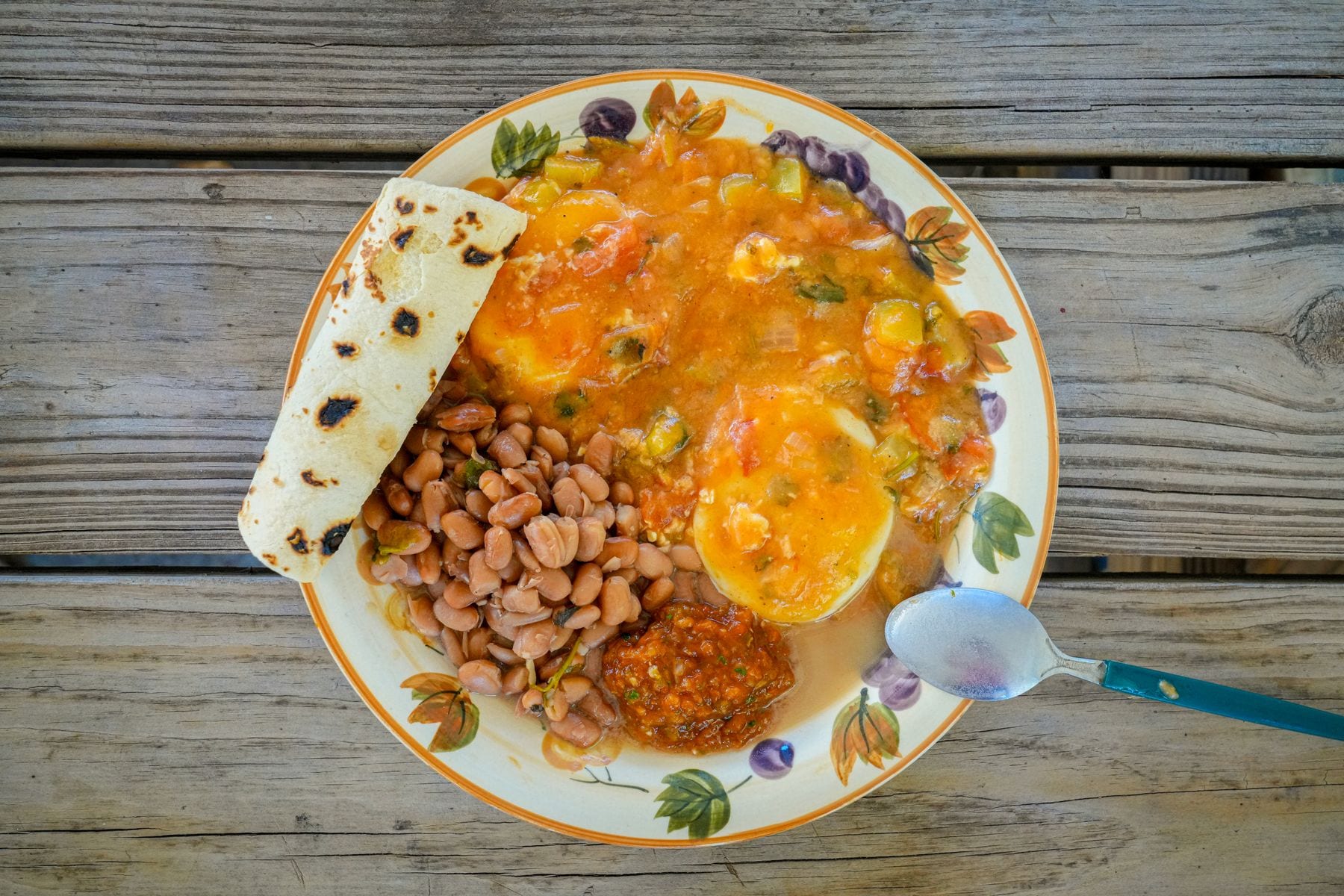 A courtyard table set with coffee, eggs, beans and tortillas for an early start in highland Honduras
Market fondas from 6am, the market at its busiest before nine, a walk on the edge of town and coffee grown within sight: a morning routine in La Paz department.
What a morning looks like in this department
The morning in La Paz department is a fast, cheap, savoury routine, and it happens early. Market comedores open by 6am, village kitchens serve whatever was cooked that morning and close when it is gone, usually by 2pm, and the baleada stands in La Paz town and Marcala start working around 6am. If you sleep until nine you have missed the best of it, and by eleven you are looking at leftovers.
Expect to pay $1.50 to $4 for a full plate. The standard Honduran plate is eggs, refried beans, fried plantain, cuajada or mantequilla crema, and a stack of tortillas, and the price rarely changes however touristy the address looks. Coffee in a comedor or at a market stall is $0.40 to $0.75, strong and sweetened by default, so say sin azucar if you want it plain. A proper cup in a Marcala cafe or a producer co-op storefront is $1 to $2, which is the best value in the department.
First stop: a baleada and a coffee
The baleada is a thick wheat flour tortilla folded over refried beans, crumbled cheese and mantequilla crema, and it is the cheapest reliable breakfast here. The plain version, called sencilla, is $0.60 to $1.25. Add scrambled egg, avocado, chorizo or shredded beef and you are at $1.50 to $2.50, which is still a full breakfast eaten standing at the counter with a coffee.
The stands worth finding are the ones that open around 6am near the market and the bus drop points in La Paz town and Marcala, where the tortilla is patted and griddled in front of you rather than reheated. The whole quality difference is the tortilla: it should be soft, slightly blistered and warm enough to melt the cheese, and the beans should be smooth and dark rather than watery. Baleada stands are also the cheapest reliable food after 7pm in both towns, when the comedores have closed.
The market fonda, early
Every market in La Paz has a row of fondas along one edge, and they open by 6am. In La Paz town the market blocks beside the central park are the working heart of the capital, busiest between 6.30am and 9am when the deliveries have landed and the day is still cool; a baleada or a plate of eggs, beans and tortillas costs $1 to $3 there. In Marcala the fondas do ticucos, bean soup, capirotadas and eggs at $1.50 to $3.50 a plate, with coffee from the surrounding hills at $0.50.
Ticucos are the dish that marks this region out and the correct highland breakfast: a Lenca corn dough tamale filled with mashed beans and often the loroco flower bud, wrapped in a corn leaf and simmered rather than steamed. They cost roughly $0.50 to $1 each and turn up in markets and market fondas, especially at weekends, more than on restaurant menus. Two with a coffee makes breakfast for under $2.
Sit down for the full desayuno tipico
The full plate is the sit-down version of the same meal: eggs however you want them, refried beans, fried plantain, cuajada cheese, mantequilla crema and tortillas, with coffee included at some stalls, for $2 to $3.50. Tourist-oriented breakfasts cost more for the same food. A desayuno tipico in a comedor runs $3 to $4; a plate of beans, eggs, cuajada and coffee at a shared market table is $3 to $4; and the fonda breakfast in Santiago de Puringla, honest and generous, is $2.
Hotel breakfast is the other half of the picture. Family-run places on the approach roads into La Paz town sometimes include a simple breakfast of eggs, beans, plantain and tortillas at no extra charge, and in Marcala a $3 breakfast with eggs, beans, cuajada, tortillas and a cup of local coffee is often thrown in free. Ask before you book, because it is worth about $3 a day. If you have an early start for a hike or a farm visit, ask for breakfast at 6am the night before; every kitchen in the department will do it if warned, and the newer mid-range hotels will produce it for $5 to $8 a head.
The bakery, then the walk
Honduran bakeries are cheap and reliable and every town has one, which makes them the third and fastest morning option, and the one to carry with you when you set off on foot. Look for semita, a dense sweet layered bread often with pineapple jam, sold by the slab for $0.50 to $1.50; pan de yema, a rich eggy roll; and quesadilla honduren a, which is a baked sweet cheesecake rather than anything Mexican, sold in wedges for about $0.75. Rosquillas, the ring-shaped corn and cheese biscuits made for dunking in coffee, are sold in bags for $1 to $2 at markets and bus stops and travel better than anything else here.
Coffee is the whole point of the morning in this department. La Paz is the reason Honduras is taken seriously as a coffee origin, and beans from the Marcala denomination of origin turn up in small cafes for around $1 to $2 a cup, which is a bargain given that the same lots go into export bags. Drink it at a counter for $1, or buy a pound of whole bean at the market for $4 to $6 and get it ground for the morning if your hotel has a terrace. Beyond coffee, order horchata made with rice and cinnamon, fresh licuados of banana or papaya for $1 to $1.50, and atol de elote when young corn is in season.
Then walk. The hour before the heat and the traffic build is the best hour of the day in this department, and it costs nothing: the market blocks and the streets around the parque central in La Paz town, the lanes out toward the coffee slopes in Marcala, the edge of any highland town. Carry water, a fleece for the highlands and small notes for a second coffee.
The routine town by town
In La Paz town, eat near the market: the market blocks beside the central park, the fondas along one edge of them, and the stands that open around 6am near the bus drop points. What to buy and carry: fruit by the bunch for a dollar or two, cuajada wrapped in leaf for $1.50 to $3, mantequilla crema by the tub, and coffee by the pound.
In Marcala the market is smaller and better, a highland market in coffee country serving the surrounding Lenca communities, with weekend mornings the peak and Saturday the day to be there. The fondas do ticucos, bean soup, capirotadas and eggs at $1.50 to $3.50, and most of central Marcala including Parque Peru is a five to ten minute walk from the stalls. During harvest, roughly November through March, the shared breakfast table at a Marcala guesthouse is a working network of buyers, quality control people and agronomists, which is the easiest conversation a solo traveller will find in the department.
Outside the two towns, breakfast is whatever the nearest comedor cooked that morning. Highland municipalities like Guajiquiro eat soup, beans, tortillas, eggs or chicken for $3 to $4, with coffee grown within sight of the table, and there is nothing priced for tourists because tourists are not the market. On the road, roadside stands sell rosquillas for $1 to $2 and bakeries sell semita by the slab, which is the sensible bag to carry on a bus. In Comayagua, the colonial town 30 to 40 minutes north, cafes near the plaza do coffee and pastries for $2 to $4, and the market there is the bigger version of La Paz's.
Getting the morning right
Go early and carry small notes. The good stuff is sold between 6am and 9am, rapiditos and market stalls and comedores all want cash, and a large note at a baleada window will stall the queue. Almost nothing in this department takes a card. Eat where the queue is; in a working town that is the whole review.
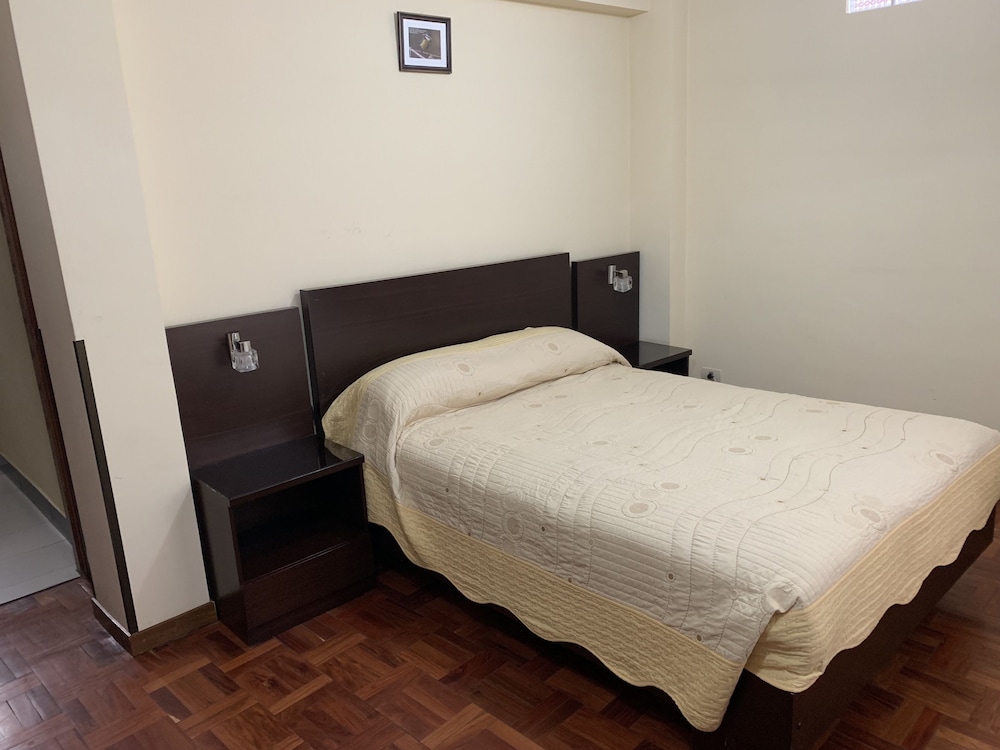
Sleep in the town whose market you want to wake up in. The alternative is staying in Comayagua, where hotel choices are broader, but you lose the walk to a 6am start and you begin the day on the road. Two nights in La Paz town, at $18 to $32 for a clean double, puts the market, the fondas and the baleada stands within four blocks of your room, and it is the single change that turns a fuel stop into a morning worth waking up for.
Before you book
The questions people ask about La Paz, answered with this month’s numbers.
Eggs, refried beans, fried plantain, cuajada cheese or mantequilla crema and a stack of tortillas, with coffee, for $1.50 to $4. The cheaper and more common version is a baleada, a folded wheat tortilla with beans, cheese and cream, at $0.60 to $1.25 plain and $1.50 to $2.50 with egg or avocado. In the highland municipalities, ticucos are the local breakfast.
The market fondas and the baleada stands. Market comedores in La Paz town and Marcala open by 6am, the fondas along the market edge serve from 6am for $1 to $3.50, and the stands worth finding in La Paz town and Marcala open around 6am near the market and the bus drop points. Committing to a 6am start is also what you should ask your hotel for the night before if you have a hike or a farm visit planned.
A baleada and a coffee is under $2, a full plate of eggs, beans, plantain, cuajada and tortillas is $2 to $3.50, and a sit-down desayuno tipico in a comedor is $3 to $4. Coffee is $0.40 to $0.75 in a comedor and $1 to $2 in a Marcala cafe or co-op storefront. Hotel breakfast is often included, and ask before booking because it is worth about $3 a day.
Sometimes. Family-run places on the approach roads into La Paz town frequently include eggs, beans, plantain and tortillas at no extra charge, and in Marcala a $3 breakfast with eggs, beans, cuajada, tortillas and local coffee is often thrown in free. Mid-range hotels will serve an early breakfast for $5 to $8 a head if you ask a week ahead, and most will produce breakfast at 6am if you tell them the night before.
Yes, and it is the cheapest good cup you will find anywhere. La Paz department carries the Marcala denomination of origin, so a comedor coffee at $0.40 to $0.75 often comes from the same farms that export at a premium, and a properly brewed cup in a Marcala cafe or a producer co-op storefront is $1 to $2. To take beans home, cooperative storefronts in Marcala sell roasted beans at $5 to $8 a pound, or $6 to $12 depending on grade and process.